
Squeaking and Chattering: Decoding Bat Noises in Your Chimney
It usually starts late at night. You’re winding down in your living room, the house is quiet, and then you hear it: a faint, high-pitched squeak echoing off the brickwork of your fireplace. Maybe it’s accompanied by a restless, papery scratching sound. If you are a homeowner in St. Cloud hearing strange sounds from your fireplace, your first instinct might be to assume a bird has fallen down the flue. But if the noises sound more like a high-pitched conversation than a panicked flutter, you are likely dealing with a different kind of visitor: bats. At Badger Wildlife, we specialize in diagnosing these exact symptoms and providing humane and legal bat. Here is your homeowner’s guide to decoding the sounds in your chimney and understanding what to do next.
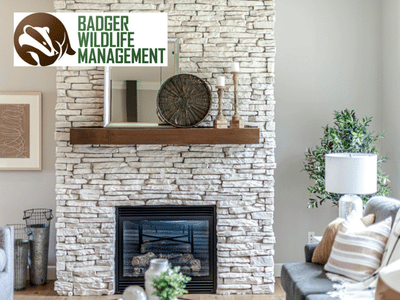
Decoding the Noises: What Do Bats Sound Like?
Unlike mice, which mostly make scurrying sounds, or birds, which tend to flap aggressively when trapped, bats have a distinct auditory footprint. If they have set up a roost in your chimney, you will typically hear three specific types of noise:
1. High-Pitched Squeaking and Chattering
Bats are highly social creatures. The squeaking you hear isn’t just random noise; it’s communication. This chattering often peaks at dusk right before they leave to hunt, and at dawn when they return. If you hear a dense, continuous chattering during the late spring or summer, there is a high probability you are listening to a maternity colony—a group of female bats raising their flightless pups.
2. Scratching and Rustling
Chimney interiors, especially older brick-and-mortar ones, are perfect for bats. The rough masonry provides excellent grip for their tiny claws. As they crawl up and down the flue to get comfortable or adjust their body temperature, you will hear a distinct scratching or rustling sound.
3. Faint Thumping
While less common, you might occasionally hear a soft, hollow thud. This usually happens when a bat loses its grip or when they are actively flying back into the chimney opening from the outside.
Confirming the Symptoms: Other Signs of Bats in Your Chimney
If the noises have you suspicious, look for these secondary symptoms to confirm you have bats in your chimney rather than another type of local St. Cloud wildlife:
- Guano (Droppings) in the Firebox: Bat guano looks similar to mouse droppings but is slightly larger, crumbly, and often contains shiny flecks of insect wings. You might find it accumulating on your hearth or right beneath the damper.
- A Strong, Pungent Odor: A large bat colony produces a significant amount of waste. Over time, you may notice a strong, ammonia-like smell—similar to a dirty litter box—drifting out of your fireplace.
- Dusk Activity: Step outside your St. Cloud home just as the sun sets. If you have bats in the chimney, you will see them dropping out of the top one by one to go hunt for insects along the Mississippi River or nearby parks.
What NOT to Do (The Fireplace Fallacy)
When St. Cloud residents realize they have bats in the chimney, the most common DIY impulse is also the most dangerous: “I’ll just light a fire and smoke them out.”
Do not open your damper, and do not light a fire.
Here is why:
- It drives them inside: Opening the damper often causes panicked bats to fly directly into your living room, turning a localized chimney problem into an indoor emergency.
- It’s inhumane and potentially illegal: Bats are incredibly beneficial to our local ecosystem, eating thousands of mosquitoes a night. Depending on the time of year and the species, federal and state laws heavily protect bats. Lighting a fire can trap and kill flightless babies, leading to severe legal fines (and a terrible odor in your home).
How Badger Wildlife Resolves Chimney Bat Issues in St. Cloud
If you’ve decoded the squeaking and chattering and suspect a bat colony, it’s time to call in the professionals.
At Badger Wildlife, we use a proven, symptom-based approach to bat exclusion. We never use harmful chemicals or traps. Instead, we inspect your chimney to confirm the presence of bats, identify their exact entry points, and install one-way exclusion devices. These allow the bats to safely exit your chimney to hunt, but prevent them from re-entering. Once the colony is safely evicted, we seal the chimney with bat-proof caps to ensure your home stays quiet and secure.
Don’t let the chattering keep you up at night. If your St. Cloud chimney is sounding a little too wild, contact Badger Wildlife today for a comprehensive inspection and humane exclusion plan.