
Bat Bugs vs. Bed Bugs: The Hidden Link Between Bats and Parasites
Discovering a small, reddish-brown, apple-seed-sized bug crawling on your wall or bedframe is a stomach-dropping moment for any homeowner. The immediate assumption is always bed bugs—prompting panic, frantic washing of sheets, and calls to local exterminators. But if you live in an Elk River home, especially one near wooded areas, Lake Orono, or the confluence of the Mississippi and Elk Rivers, you might be dealing with a completely different pest: the bat bug.
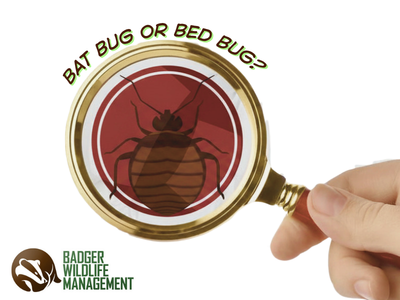
While they look almost identical to the naked eye, their presence points to a much larger health and safety issue hiding right above your head. At Badger Wildlife, we frequently help homeowners who have spent thousands of dollars treating their homes for bed bugs, only to realize the source of the parasites is a bat colony living in their attic.
Here is what you need to know about the hidden link between bats, parasites, and the safety of your home.
What is a Bat Bug?
Bat bugs (Cimex adjunctus) are blood-sucking parasites that feed primarily on the blood of bats. They thrive in the dark, protected environments where bats establish maternity colonies—most commonly, your attic.
As long as the bats are present, bat bugs will stay close to their food source, hiding in the insulation, roof joists, and attic floorboards. However, bat bugs will migrate down into human living spaces under two specific conditions:
- The bat colony grows too large, forcing the bugs to spread out in search of a meal.
- The bats leave or are removed. If the bats migrate for the winter or are excluded from the attic without treating the resulting bug population, the starving bat bugs will crawl down through light fixtures, vents, and wall voids into your bedrooms looking for a new host.
Bat Bugs vs. Bed Bugs: How to Tell the Difference
Because they are biological cousins, distinguishing between a bat bug and a bed bug usually requires a microscope. However, their behavior and location in your home offer major clues.
| Feature | Bat Bugs | Bed Bugs |
| Microscopic Appearance | Long hairs on the upper thorax (chest area) | Shorter, barely visible hairs on the thorax |
| Primary Host | Bats (cannot reproduce on human blood) | Humans |
| Location Found | Ceilings, upper walls, directly below attics | Mattresses, box springs, baseboards near beds |
| Origin Point | Attic or chimney | Luggage, used furniture, public transit |
Key insight: If you are finding “bed bugs” exclusively in upper-floor bedrooms, clinging to the ceiling, or dropping from exhaust vents, there is a very high probability they are bat bugs originating from an attic bat colony.
Health and Safety Risks in Your Attic
The good news is that bat bugs, like bed bugs, are not known to transmit infectious human diseases. However, their bites cause itchy, red welts that can lead to secondary skin infections from scratching, and they carry a heavy psychological toll on your family.
The real health and safety hazard of a bat bug infestation is the bats themselves. If bat bugs are migrating into your living space, it means you have an established bat colony in your attic. This poses severe environmental health risks to your household:
- Histoplasmosis: Bats produce large amounts of guano (droppings). As this guano accumulates and dries in your attic insulation, it grows a fungus. When disturbed, the fungal spores become airborne and can cause a severe respiratory infection in humans called Histoplasmosis.
- Rabies: While less than 1% of bats carry rabies, a colony living inside your home significantly increases the risk of a sick bat finding its way down a wall cavity into your living room or bedroom.
- Structural Damage: The accumulation of guano and urine can rot drywall, ruin insulation, and create structural hazards in your ceiling over time.
Why Standard Exterminators Aren’t Enough
If you have bat bugs, calling a traditional Elk River pest control company to spray your bedrooms will not solve the problem. As long as the bat colony remains in the attic, the parasite source remains untouched.
Solving a bat bug infestation requires a two-pronged, wildlife-first approach:
- Humane Bat Exclusion: The bats must be safely and legally removed from the attic and their entry points permanently sealed.
- Attic Remediation and Parasite Treatment: Once the bats are gone, the attic must be treated for the bat bugs and cleaned of hazardous guano to prevent the starving parasites from migrating down into your house.
Don’t let a misidentified bug put your family’s health at risk. If you are finding strange parasites in your upper-floor rooms, you need a specialized wildlife inspection.
Contact Badger Wildlife today for a comprehensive Elk River attic inspection. We will identify the true source of the problem, safely evict the wildlife, and restore the safety of your home.